Shifting Player Priorities When Matching Initial Deposits Against Free Spin Allocations in Digital Gambling Ecosystems
Geschrieben von David Sullivan · 30.8.2026
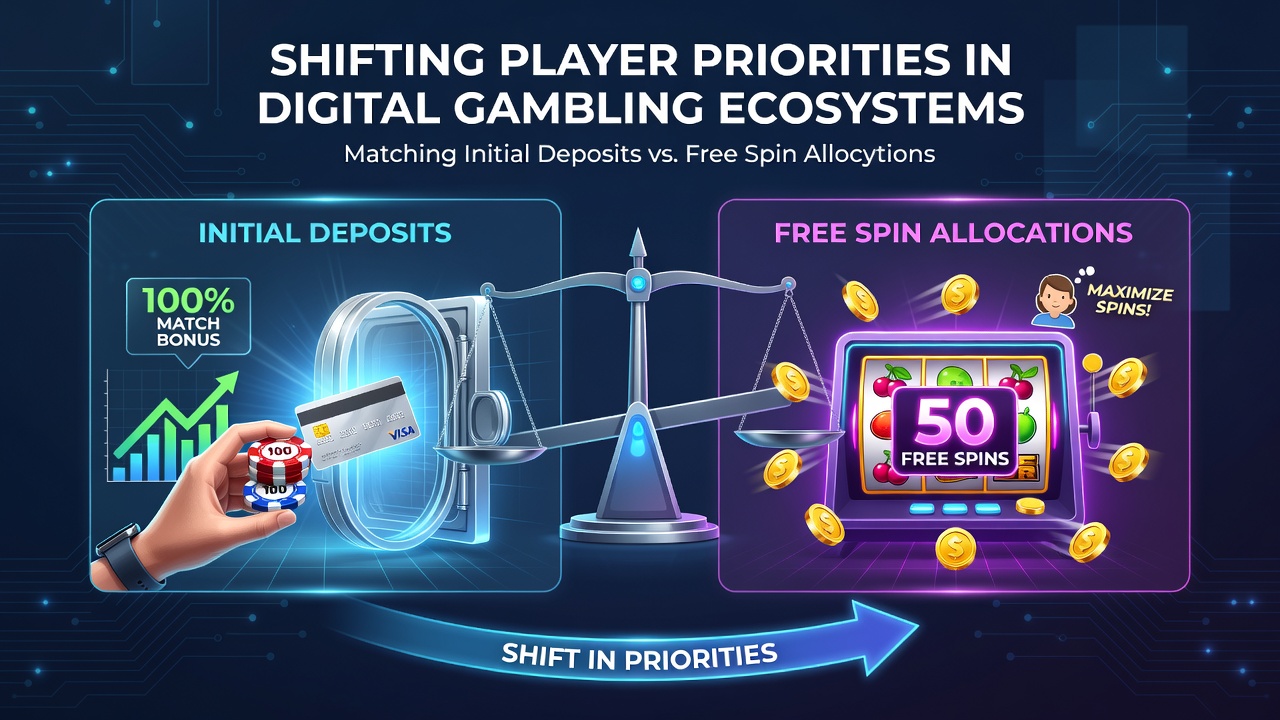
Shifting Player Priorities When Matching Initial Deposits Against Free Spin Allocations in Digital Gambling Ecosystems
Players in digital gambling platforms have adjusted how they evaluate deposit match percentages against free spin packages as bonus structures evolved through 2025 and into August 2026. Reports from multiple jurisdictions indicate that initial deposit incentives still draw the largest share of new registrations yet the perceived value of free spins has risen in specific player segments. Data compiled across North American and European markets shows deposit matches typically range from 100 percent to 300 percent on first payments while free spin counts vary from 20 to 200 per promotion.
Operators structure these offers to balance acquisition costs with retention metrics. A deposit match increases the player's starting bankroll directly whereas free spins provide fixed wager opportunities without requiring additional funds. Observers note that high-volume players often favor larger deposit matches because the added capital supports extended play sessions across multiple games. In contrast newer users with smaller budgets frequently select free spin allocations that reduce financial exposure during initial exploration.
Mechanics of Deposit Matching in Current Platforms
Deposit matching formulas calculate bonus funds based on the player's first payment amount and apply wagering requirements that range from 20 times to 50 times the combined total. Platforms in regulated US states such as New Jersey and Pennsylvania publish these terms through state oversight portals where monthly summaries track average bonus uptake. In August 2026 several operators adjusted match caps downward from previous levels to align with updated responsible gaming guidelines while maintaining competitive positioning.
Players compare the effective return on a deposit match by dividing the bonus amount by the wagering multiple to determine expected cost per spin or hand. This calculation influences decisions when platforms present multiple welcome packages simultaneously. Those who study historical patterns recognize that matches exceeding 200 percent tend to attract mid-tier depositors who already understand volatility levels in slot and table games.
Free Spin Allocation Trends and Player Response
Free spin bundles appear in welcome offers either as standalone items or bundled with smaller deposit matches. Allocation sizes expanded in many markets during 2025 as operators tested higher quantities to offset stricter deposit bonus restrictions. Research from Canadian provincial regulators and Australian state commissions indicates that free spins with lower per-spin values generate higher completion rates among casual participants compared with high-value spins attached to larger matches.
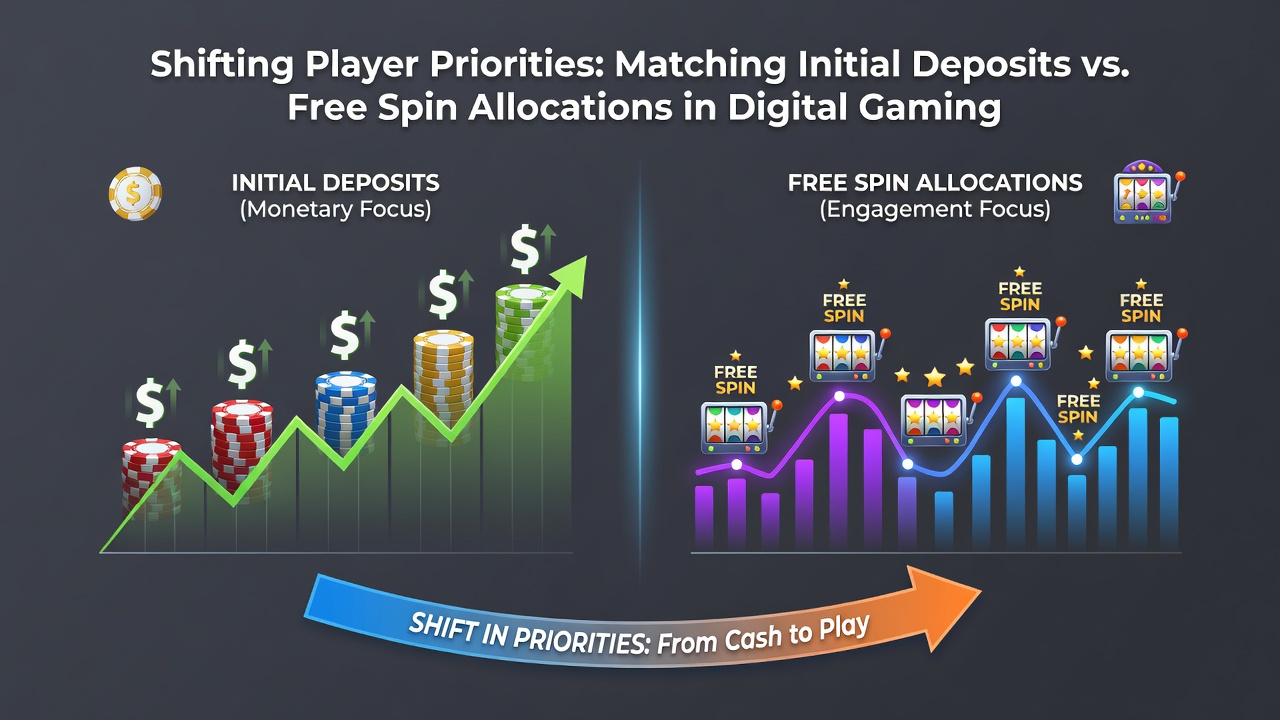
Conversion data reveals that players redeem free spins at rates above 80 percent when the spins carry no deposit requirement yet redemption drops when an initial payment becomes mandatory. The difference stems from risk perception rather than promotional appeal. Game developers have responded by creating spin packages tied to specific titles with known return-to-player percentages which allows users to assess expected outcomes before committing funds.
Regional Data Patterns Through August 2026
Figures released by the American Gaming Association highlight that online sportsbooks and casino platforms in regulated US states recorded a 14 percent increase in free spin redemptions year-over-year through mid-2026 while deposit match uptake remained stable. European markets tracked by industry associations show similar movement with operators in Malta and Gibraltar reporting elevated interest in hybrid offers that combine modest deposit matches with substantial spin counts. Australian data from state gaming authorities indicates that players aged 25 to 34 demonstrate the strongest preference shift toward free spin options over pure deposit bonuses.
These patterns emerge because free spins reduce the immediate capital outlay while still delivering engagement minutes. Deposit matches require an upfront commitment that some segments avoid until they verify platform reliability through low-risk trials. Operators monitor these behaviors through segmented analytics that track deposit size cohorts against bonus type selection.
Factors Influencing Priority Shifts
Wagering requirement differences drive much of the observed change. Free spins often carry lower playthrough thresholds than deposit bonuses yet they limit total winnings through caps that range from 50 to 500 times the spin value. Players who calculate expected value compare these caps against the unlimited potential of deposit-matched funds. Mobile interface design further affects choices because spin packages display more prominently on smaller screens and require fewer taps to activate.
Payment method availability also plays a role. E-wallet users complete deposits faster and therefore gravitate toward match offers while card and bank transfer users explore free spin routes first. Market reports from multiple regulators document that these preferences stabilize after the first three months of account activity when most players settle into consistent deposit patterns regardless of initial bonus selection.
Conclusion
Current evidence from regulatory summaries and platform analytics demonstrates measurable movement in how players weigh deposit matches against free spin allocations. The shift appears most pronounced among newer demographics and in jurisdictions with mature responsible gaming frameworks. Operators continue to refine offer structures based on redemption and retention metrics that evolve month to month. As August 2026 data becomes fully integrated into annual reports further adjustments in bonus presentation are expected across digital gambling ecosystems.